




Echoes After the End (Aether skies a steampunk horror D&D setting)
Running a Post-Barrier Campaign in Aether Skies

Most campaigns end when the world is saved.
In Aether Skies, some campaigns begin after it fails.
The Barrier held reality together. It stabilized the skies, contained the unknowable, and allowed civilization to exist within predictable rules. Entire cultures were built on the assumption that tomorrow would resemble today.
Then the Barrier broke.
Maybe the players stopped total annihilation.
Maybe they only saved fragments.
Maybe the world survived in a form no one recognizes anymore.
Whatever happened, the campaign changed forever.
A post-Barrier campaign is not about restoring the old world exactly as it was.
It is about learning how to live in the aftermath of impossible truths.
What Changes After the Barrier Falls
The important thing is not that the world ends.
It’s that the world becomes different.
Reality still functions—but imperfectly.
The sky cities still float—but not always consistently.
People still survive—but survival now requires adapting to things that should not exist.
Post-Barrier campaigns thrive when the world feels recognizable… yet fundamentally altered.
The Tone of a Post-Barrier Campaign
This is not pure apocalypse.
It is aftermath fantasy.
The world continues, but everyone understands something terrifying now:
Reality is fragile.
The best post-Barrier campaigns mix:
- Survival
- Exploration
- Psychological unease
- Reconstruction
- Cultural transformation
- Lingering cosmic horror
The focus shifts from preventing disaster to living with the consequences.
What the World Looks Like Now

No two post-Barrier settings should feel identical.
The players’ choices during the collapse matter.
But there are common themes worth exploring.
🌌 The Sky Is Wrong
The heavens no longer behave predictably.
- Stars move when unobserved
- Aether storms leave permanent scars across the atmosphere
- Some nights contain unfamiliar constellations
- Distances occasionally distort between cities
Navigators now rely on instinct as much as maps.
⚙️ Aether Has Changed
The systems that once powered civilization still work.
Mostly.
But aether has become stranger:
- Engines develop personalities or habits
- Power systems respond to emotional states
- Certain technologies only function for specific individuals
- Old devices activate spontaneously
No engineer fully understands the new rules yet.
🧠 Memory Is Unstable
The Barrier once protected identity and continuity.
Without it:
- Communities remember events differently
- Entire districts have conflicting histories
- Some people retain memories from timelines that never occurred
- Others forget loved ones while remembering strangers perfectly
Records cannot always be trusted anymore.
Neither can memory.
👁️ Some Things Remained
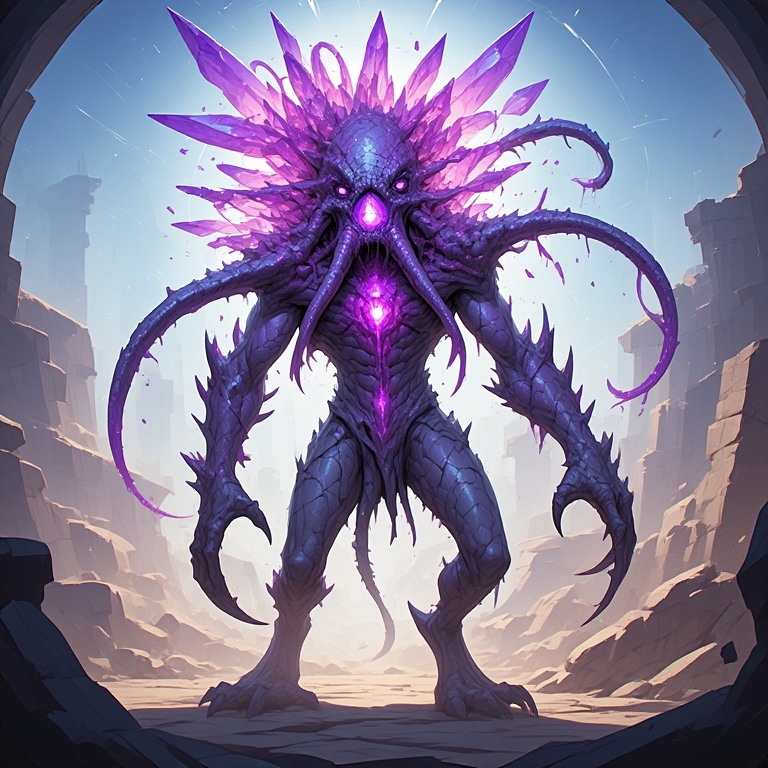
Not every intrusion was pushed back out.
There are now:
- Places where reality behaves incorrectly
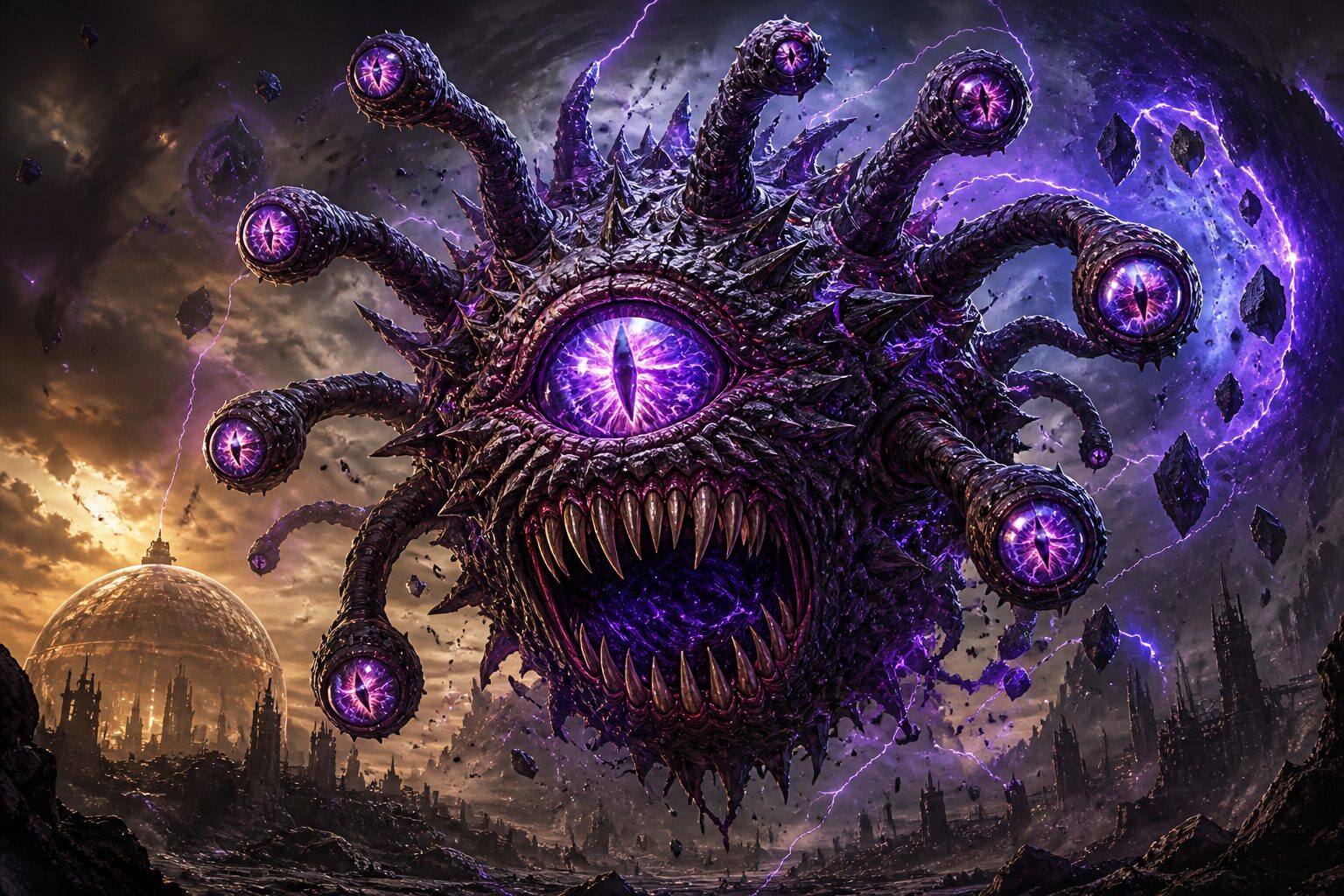
- Silent observers in distant storms
- Creatures that do not follow biological logic
- Phenomena people learn not to acknowledge directly
Most are not openly hostile.
Which somehow makes them worse.
The New Priorities of Civilization
Before the collapse, cities fought over power and resources.
Now they fight for stability itself.
🏛️ Rebuilding Becomes Sacred
Engineers, navigators, and maintenance crews become more important than generals.
People worship functionality.
- Repair crews are treated like protectors
- Stable districts become pilgrimage sites
- Ancient infrastructure gains spiritual significance
Keeping systems running is now an act of faith.
📚 Knowledge Is Dangerous Again
Some truths clearly contributed to the collapse.
Now societies struggle with impossible questions:
- What knowledge should be preserved?
- What should be forgotten?
- Who gets to decide?
Entire factions may form around controlling information.
🪢 Communities Grow Smaller

Trust becomes local.
Large governments weaken while neighborhoods, crews, and small alliances grow stronger.
People rely on:
- Familiar faces
- Shared routines
- Mutual survival
The world becomes more intimate—and more fragmented.
Running Horror After the Apocalypse
One of the biggest mistakes in post-apocalyptic horror is escalation fatigue.
If everything is horrifying, nothing feels meaningful.
Instead:
Keep the Horror Uneven
Most days should still feel livable.
People laugh.
Markets open.
Children play.
That normalcy makes the strange moments matter.
Focus on Subtle Wrongness
The best post-Barrier horror often comes from small details:
- A person remembering conversations that never happened
- An airship arriving before it departed
- Rain falling upward for a few seconds
- A district where everyone shares the same dream
Reality doesn’t need to shatter constantly.
Tiny fractures are enough.
Avoid Constant Combat
The surviving entities beyond the Barrier should remain:
- Rare
- Poorly understood
- Difficult or impossible to fight directly
The danger comes from:
- Exposure
- Influence
- Misunderstanding
- Human reactions to fear
This keeps the tone existential instead of action-focused.
New Types of Adventures
Post-Barrier campaigns open entirely new forms of storytelling.
🧭 Expedition Campaigns
The world changed.
Someone needs to map it.
Players explore:
- Altered aether lanes
- Lost cities
- Newly appeared structures
- Regions previously inaccessible
Discovery becomes both exciting and terrifying.
⚙️ Reconstruction Campaigns
The players help rebuild civilization.
Not by fighting armies—
But by:
- Restoring infrastructure
- Negotiating alliances
- Recovering lost technology
- Stabilizing dangerous regions
Hope becomes active work.
🧠 Identity Mysteries
Characters investigate:
- Missing memories
- Contradictory histories
- False identities
- Echoes of previous realities
In a post-Barrier world, memory itself can become an adventure.
👁️ Adaptation Stories
Some groups believe humanity must evolve to survive the new reality.
Others believe adaptation is surrender.
This creates powerful moral and philosophical conflict.
Factions After the Collapse

The old political order rarely survives intact.
New factions emerge rapidly.
🔧 The Stabilists
Engineers and civic groups dedicated to preserving functional reality.
They prioritize survival over ideology.
🌫️ The Witnesses
People who believe the Barrier’s fall revealed a deeper truth.
Some seek understanding.
Others seek communion.
📚 The Redactors
Archivists and scholars destroying dangerous knowledge before it spreads again.
🪶 The Drifters
Nomadic skyship communities embracing the unstable new world instead of resisting it.
👁️ The Remembered
Individuals altered by exposure to the collapse itself.
Some possess impossible insights.
Others barely remain human.
Let the Players Shape the New World
The most important element of a post-Barrier campaign is consequence.
The players’ actions during the original campaign should matter deeply.
Ask yourself:
- Which cities survived?
- What truths became public?
- What sacrifices were made?
- What did the players choose to preserve?
The new world should feel built from those choices.
Not randomly generated afterward.
Final Thought: What Comes After Survival
The Barrier existed to hold the impossible at bay.
When it failed, the world learned something terrifying:
Safety was temporary.
But survival alone is not enough to build a future.
That requires something harder.
Adaptation.
Community.
Hope.
And the willingness to rebuild reality itself—piece by fragile piece.
Because in Aether Skies, the end of the world is not the end of the story.
It is the moment the next story begins.
Thanks for reading. Until Next Time, Stay Nerdy!!

No Comments